

Stop Betting Your Event on
Venue Wi-Fi
A practical guide to Starlink connectivity for event organizers, venue operators, and concessionaires who need internet that holds up when everything else is competing for bandwidth.

Prepared by:
John Vaskis
Table of Contents
The Problem Most Organizers Don't See Coming
Connectivity is one of the most commonly misunderstood risks in live event operations. It tends to get checked off early in the planning process and rarely revisited until something goes wrong.
For most events, that something is venue Wi-Fi. It looks fine on paper. It held up at the last event. And then doors open, 3,000 people walk in, and your POS terminals stop responding. The venue's network was never designed for event-level demand, and by the time that becomes clear, the crowd is already inside.
But venue Wi-Fi is only one part of the problem. Overloaded cellular towers, undersized local infrastructure, and crowd-driven interference all compound at exactly the wrong moment, when volume is highest and tolerance for delays is lowest. These failure modes often arrive together, and none of them announce themselves in advance.
Starlink changes that equation. Powered by SpaceX's low-Earth orbit satellite network, Starlink provides high-speed, low-latency internet that bypasses local tower congestion entirely and works in environments where traditional infrastructure either doesn't reach or can't hold up.
Fello deploys Starlink as a managed rental, preconfigured, stress-tested, and ready for your specific event before anyone walks through the door. This guide explains how it works, where it performs best, and how to determine whether it's the right fit for your next event.
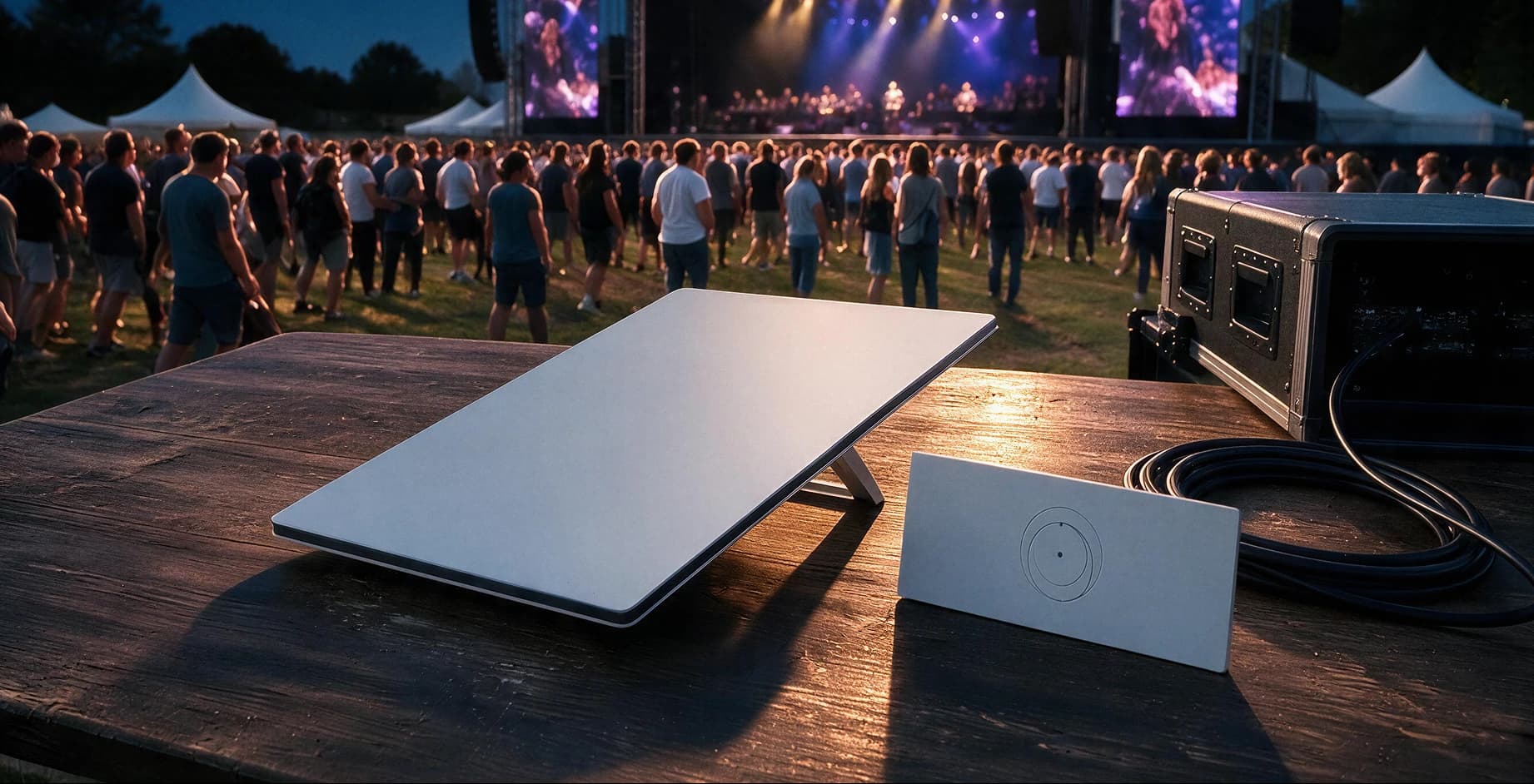
By the end of this guide, you'll understand when Starlink is the right call for an event, which setup fits your environment, and how Fello deploys it so your team doesn't have to think about connectivity on event day.
Already know venue Wi-Fi isn't going to cut it?
Why Venue Wi-Fi Fails at the Worst Possible Moment
Congestion at Peak Load
The moment doors open, available bandwidth divides rapidly across staff devices, vendor terminals, attendee smartphones, and production equipment. Systems that performed fine during setup begin timing out. Transactions fail or stall. Lines form.
Tower Saturation in Dense Crowds
In outdoor or remote environments, the fallback to cellular frequently makes things worse. Large crowds overwhelm nearby cell towers, degrading 4G and 5G performance at exactly the moment when mobile POS systems need it most. Some events lose cellular connectivity entirely during peak periods.
Single-Point Infrastructure Failure
Venue internet often runs through a single uplink connection. When that connection degrades, due to physical damage, ISP issues, or demand spikes, every device dependent on it goes offline simultaneously. There is no fallback.
Starlink can help reduce the risk of all three failure modes. It bypasses local cellular infrastructure by connecting directly to satellite, provides a dedicated uplink independent of venue systems, and can be deployed as a parallel or backup connection that activates if primary connectivity fails.
Choosing the Right Connectivity for Your Event
Traditional cellular hotspots can work well when cellular coverage is strong and network demand is manageable. Starlink provides another option when cellular infrastructure is limited, unreliable, or likely to become congested.
But connectivity isn't simply about choosing one device over another. The right setup depends on factors such as the number of connected devices, bandwidth requirements, venue conditions, coverage area, and expected demand.
For larger or more complex deployments, additional networking infrastructure, including mesh Wi-Fi nodes, can be used to expand coverage and capacity.
How Starlink Works at Live Events
Starlink is a low-Earth orbit satellite internet service operated by SpaceX. Unlike traditional satellite internet, which relies on geostationary satellites roughly 22,000 miles above Earth, Starlink satellites orbit at approximately 350 miles. That proximity is what makes the difference: latency drops from several hundred milliseconds to under 50ms, making it fast enough for real-time payment processing, live streaming, and registration systems.
For event operators, here is what that translates to in practice:
Independent Uplink
Starlink does not share bandwidth with your venue's network or local cellular towers. Your POS terminals, check-in systems, and production equipment get dedicated throughput that is not competing with attendee smartphones or venue infrastructure.
Rapid Deployment
Setup can take minutes, not hours. Place the dish outdoors with a clear view of the sky, connect power, and the system begins connecting to the satellite constellation automatically. No traditional infrastructure required.
Weather-Resistant Hardware
Starlink hardware is built for outdoor conditions. The dish is rated IP67 for weather resistance and can operate in temperatures from -22°F to 122°F. It handles wind, rain, and direct sun without degradation in most event environments.
Scalable Device Support
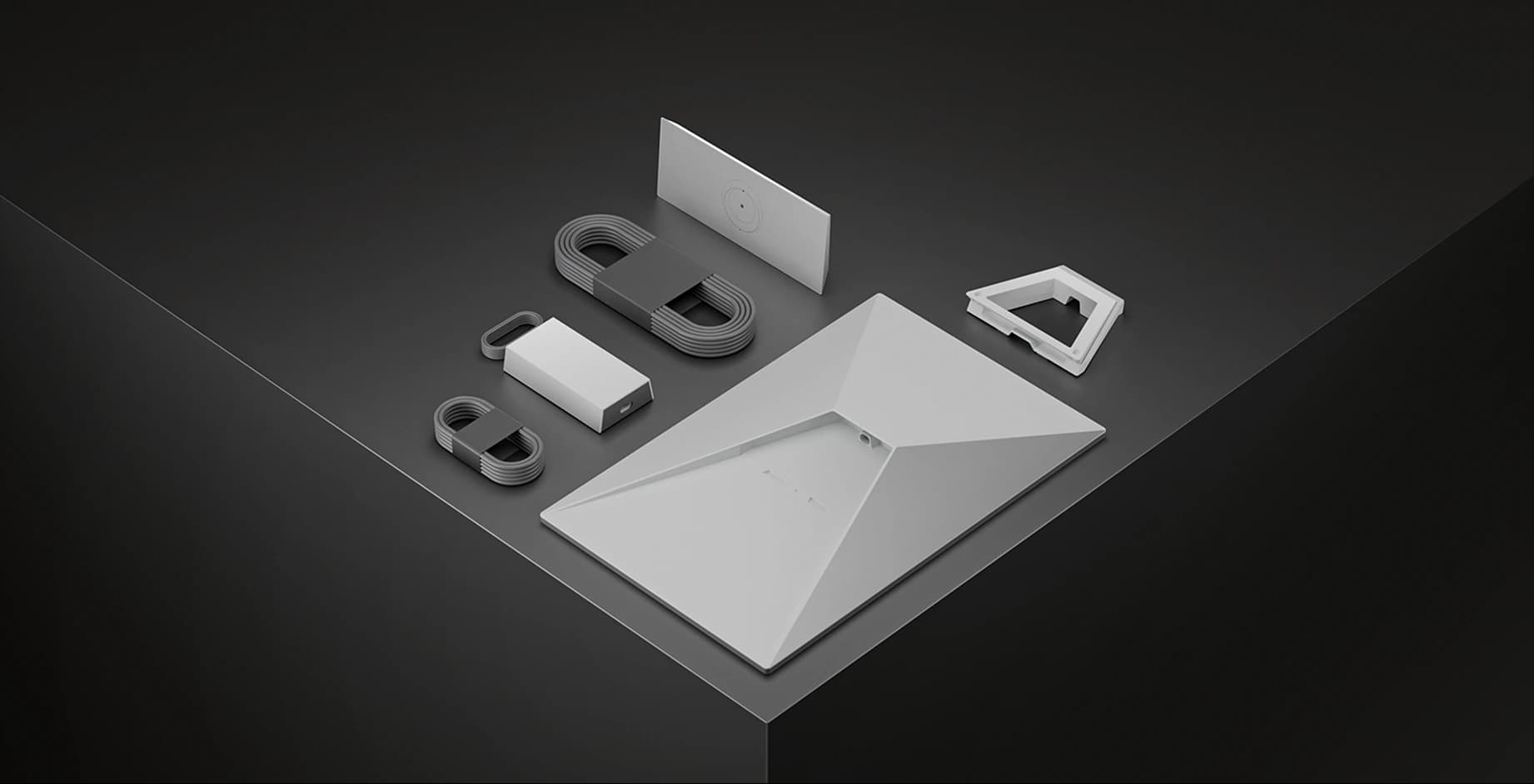
The Starlink Standard is built for large outdoor venues and high-device-count environments, covering approximately 3,200 square feet. The Starlink Mini is compact enough for a single booth or activation zone, with coverage up to 1,200 square feet. In high-demand event environments, real-world device capacity depends on bandwidth load and activity level. Fello recommends consulting with our team to determine the right number of units for your specific deployment.
Which Events Benefit Most from Starlink
Starlink is not the right solution for every event. Venues with robust, dedicated fiber infrastructure and professional network management may not need it. For many events, though, there can be a meaningful gap between what the venue provides and what reliable operations actually require.
Here is where Starlink consistently makes the difference:
| Event Type | The Connectivity Challenge | How Starlink Solves It |
|---|---|---|
| Outdoor Festivals | Remote or rural locations with no fiber; cellular towers saturated by crowd density | Satellite uplink bypasses tower congestion; independent of local infrastructure |
| Stadium & Arena Events | Venue network deprioritizes vendor traffic; shared bandwidth with thousands of attendees | Dedicated uplink for operational systems; not shared with venue or attendees |
| Pop-Up Retail & Brand Activations | Temporary locations with no infrastructure; reliance on venue Wi-Fi or cellular | Portable, self-contained connectivity deployable anywhere with sky access |
| Conferences & Trade Shows | High device density strains venue bandwidth; exhibitor networks compete for throughput | Isolated network for POS and registration; consistent throughput independent of attendee load |
| Food & Beverage Concessions | Multi-location deployments require consistent connectivity across zones | Scalable from single booth to full venue coverage |
| Fundraisers & Galas | Sensitive payment data requires reliable, secure connectivity | Dedicated SSID/password; traffic isolated from public networks |
| Sports Activations | Fast-paced, high-volume transactions during peak moments | Low latency ensures fast payment authorization under load |
Rule of thumb: if the event takes place somewhere without guaranteed dedicated internet for operations, or if connectivity failure would cost you revenue or reputation, Starlink is worth the conversation.
Starlink vs. Your Other Options
Event organizers typically weigh Starlink against three alternatives: venue Wi-Fi, cellular hotspots, and Cradlepoint routers. Each has a role.
Here is an honest comparison:
Venue Wi-Fi: Free, convenient, and fine for light administrative use. The problem is that venue Wi-Fi is shared infrastructure. Your POS terminals compete with every attendee device, every vendor system, and every piece of production equipment simultaneously. In high-density environments, it frequently becomes the weakest link at the worst possible moment.
Cradlepoint Routers: A strong solution for indoor environments or events within cellular coverage areas. Cradlepoint devices can bond multiple cellular connections and provide battery-powered operation, useful where AC power is unavailable. The tradeoff is that they are still dependent on local tower capacity. In remote or high-density environments, Starlink can offer an advantage in throughput and reliability when cellular infrastructure is limited or congested.
Cellular Hotspots (4G/5G): Reliable in low-density environments, but cellular performance degrades as crowd size increases. When thousands of attendees overwhelm local towers, hotspot-dependent systems often fail in parallel with the venue's own infrastructure. Cellular hotspots are best used as a supplementary backup rather than a primary connectivity solution for large events.
Starlink: The primary advantage is independence. Starlink does not compete for local cellular bandwidth and does not depend on venue infrastructure. For outdoor events, remote locations, or any environment where cellular congestion is a concern, it provides a level of reliability that other options cannot match.
For most event operators, the answer is not which one. It is which combination. Starlink as a primary uplink, with a cellular backup, covers most failure scenarios before they affect operations.
What Fello Manages So You Don't Have To
Renting Starlink hardware is straightforward. Making sure it performs correctly for your specific event is a different conversation.
Fello configures, tests, and deploys every Starlink rental so your team arrives on-site to a system that is already working. Every unit ships preconfigured with your custom network name and password, firmware updated, and verified before it leaves the warehouse. Hardware is packed in custom-cut foam hard cases and includes a setup guide. On the Fello side, a minimum 7-day lead time is enforced for all Starlink rentals, availability is confirmed before every booking, and data usage is reviewed upfront so there are no overage surprises after the event.
For operators who need a completely hands-off deployment, Fello also offers concierge and on-site support, including technicians available for setup, troubleshooting, and real-time assistance during the event. Network segmentation is available to isolate operational traffic from general attendee access, and remote configuration is available for network changes post-shipment provided devices are connected for verification before the event.
When everything is confirmed, tested, and in place before your team arrives, connectivity is one less thing to manage on event day.
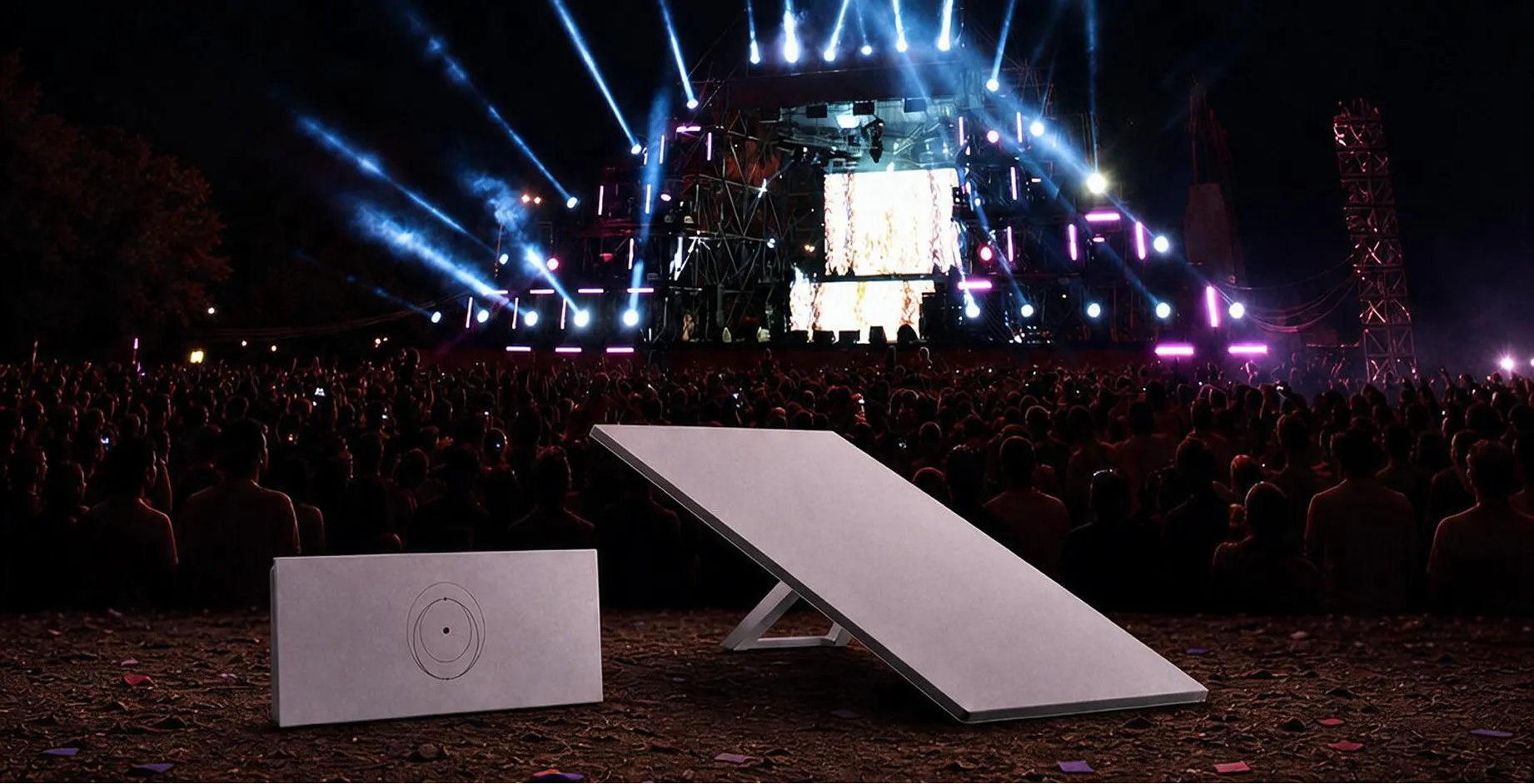
What This Can Look Like in Practice
The clearest way to understand what Starlink does for event operations is to look at environments where connectivity was not a variable.
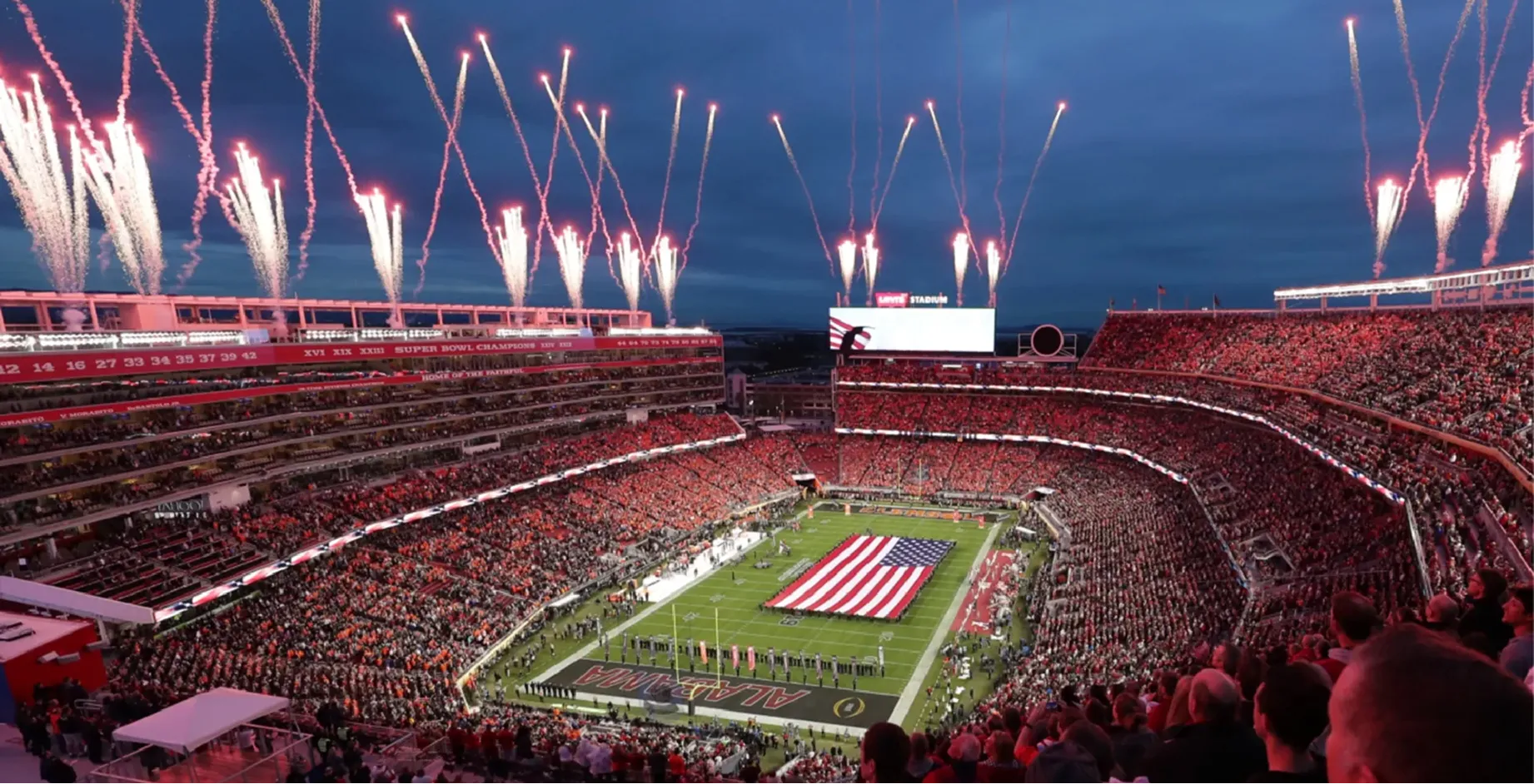
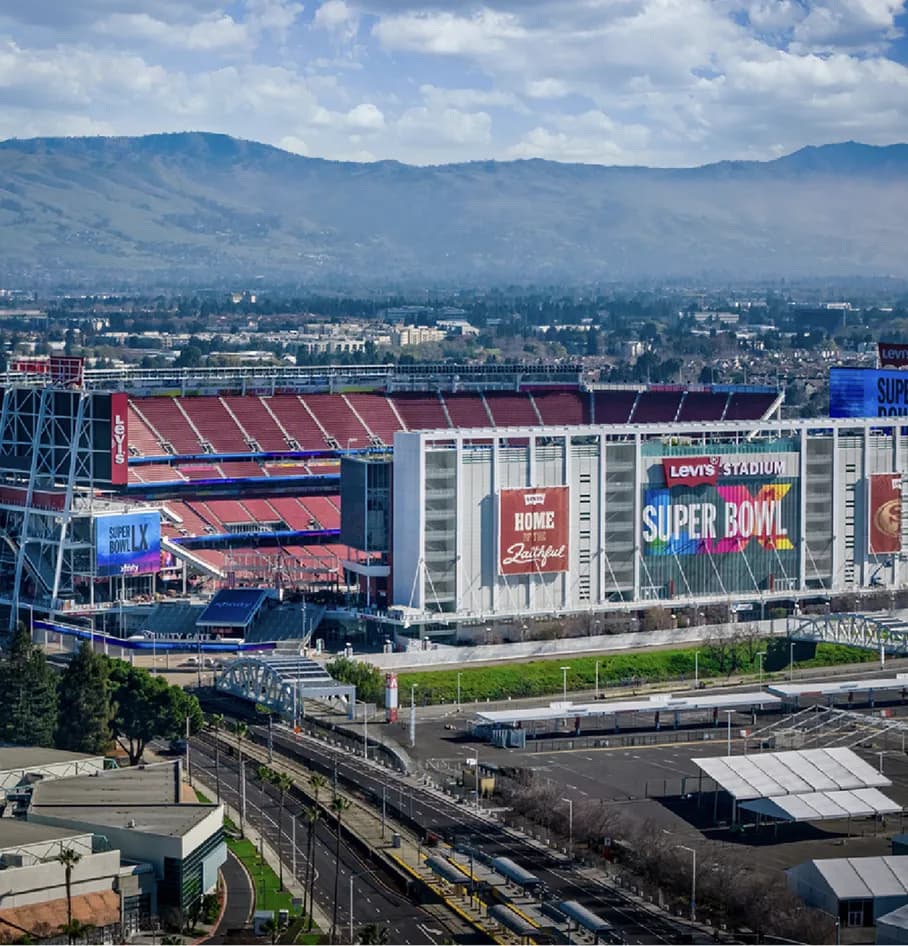
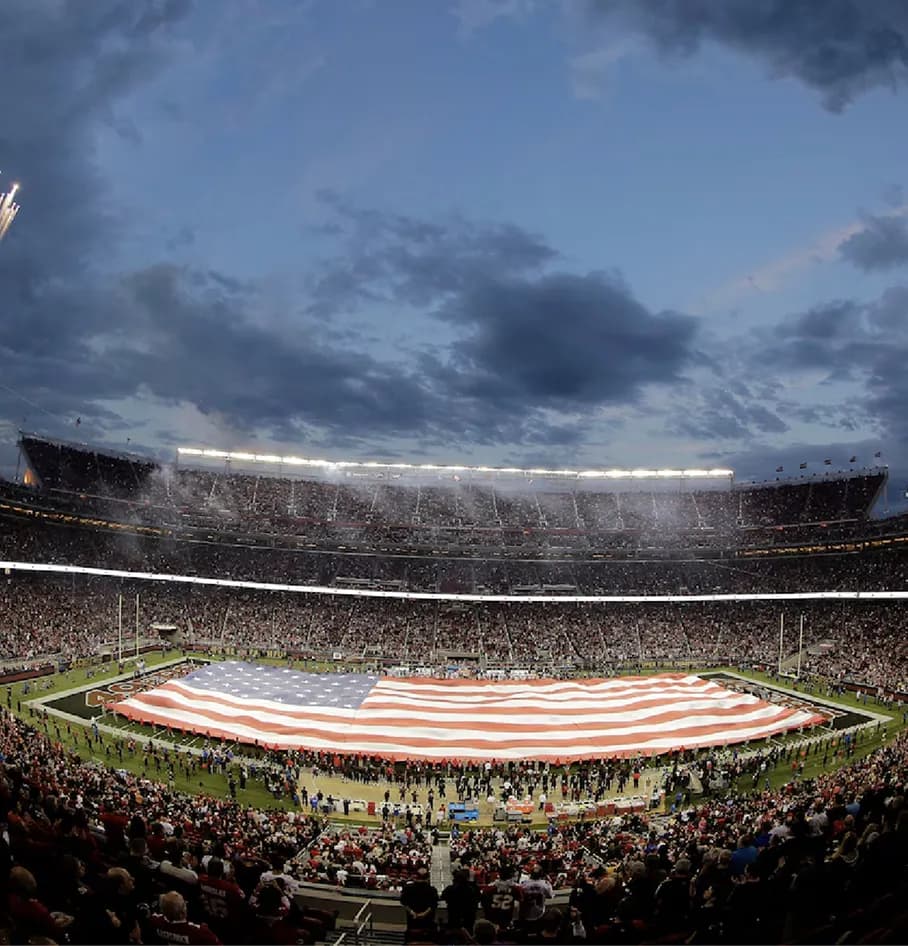
Super Bowl LX, Levi's Stadium, Santa Clara, California On February 8, 2026, Fello deployed Starlink units to support operations at Super Bowl LX at Levi's Stadium in Santa Clara. With 70,000 attendees, multiple vendor zones, and the operational complexity of the NFL's largest event of the year, reliable connectivity across every point of sale and operational touchpoint was not optional. Fello's Starlink deployment supported operations throughout the event.
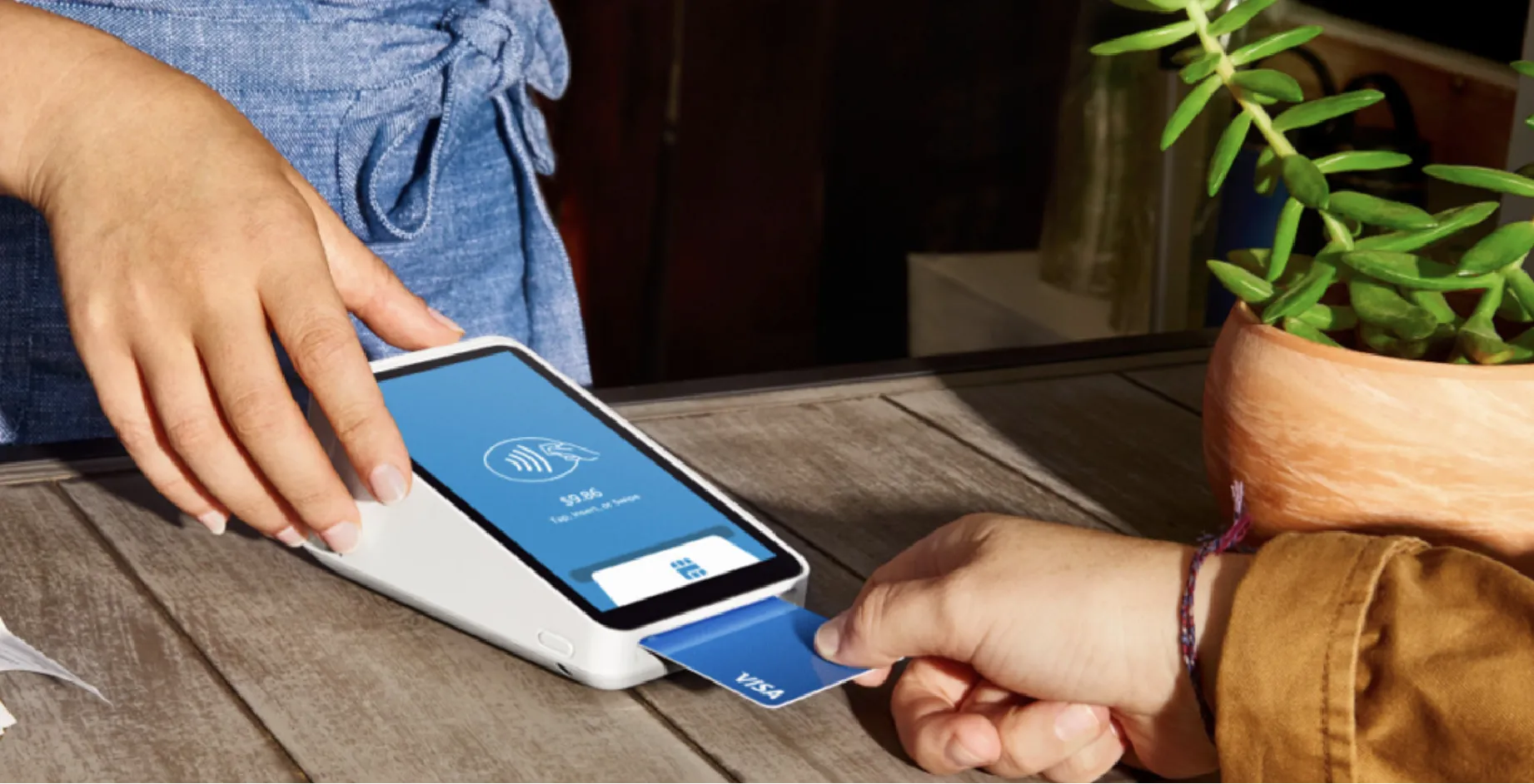
At a large outdoor brand activation Every vendor booth runs its own Shopify or Square terminal without competing for bandwidth. Staff communication moves on the same network. Production and streaming have guaranteed throughput. No one is calling IT to ask why their device cannot authorize a payment.
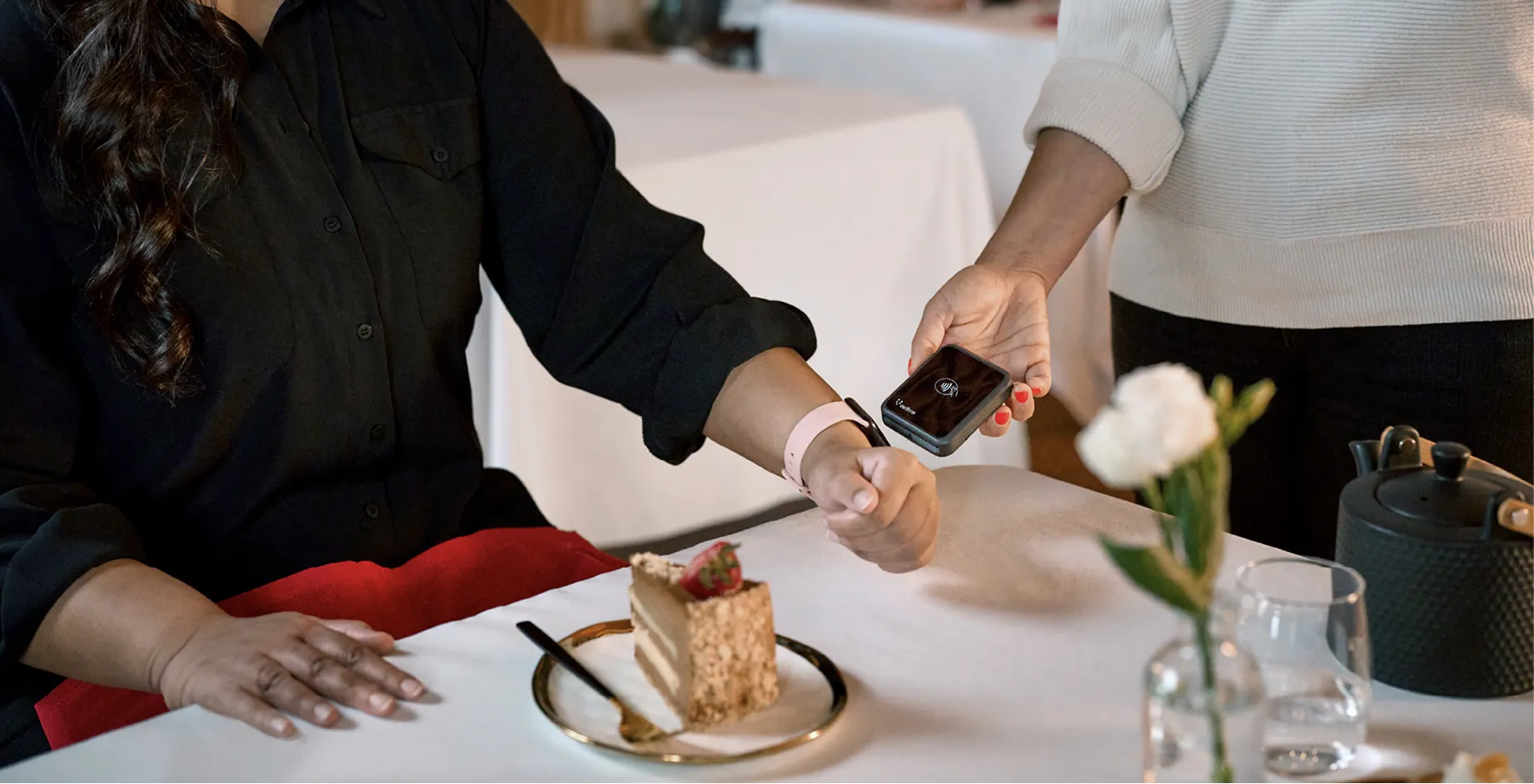
At a multi-zone food and beverage operation Concession stands across a large venue footprint stay connected through independent Starlink units per zone. When venue Wi-Fi goes down during peak demand, the Starlink units continue processing transactions. Revenue does not stop.
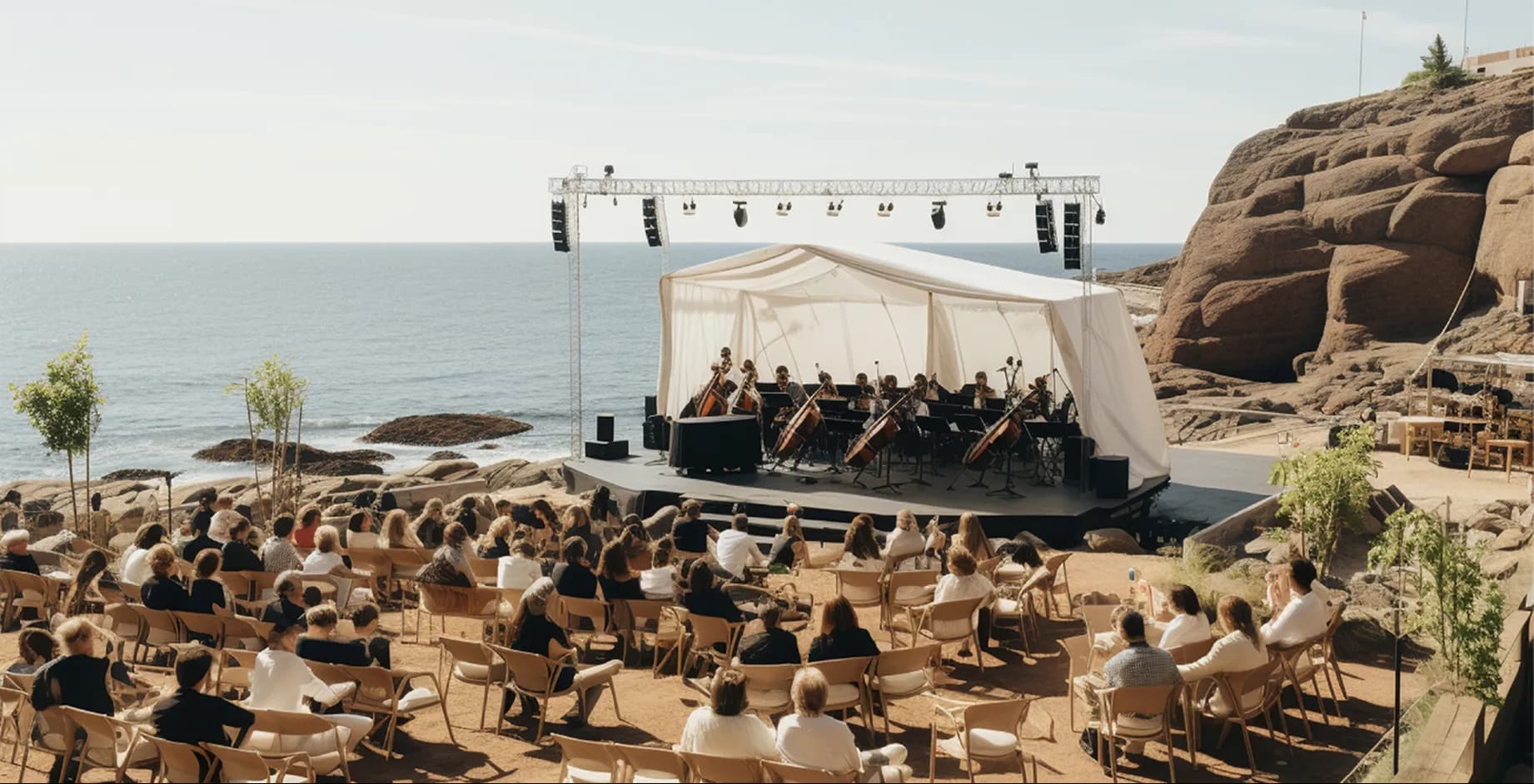
At a remote or off-grid event There is no venue infrastructure. No cellular coverage. No realistic path to fiber. Starlink provides a practical connectivity option, and it turns what would have been a cash-only, paper-based operation into a fully digital event with real-time inventory reporting and payment processing.
The teams that run the smoothest events do not spend event day managing connectivity. They resolved that before anyone arrived on-site.
Practical Recommendations for Event Operators
Based on experience deploying Starlink across festivals, stadiums, activations, and remote events nationwide, here is what consistently makes the difference between a clean deployment and a difficult one:
Treat connectivity as infrastructure, not an afterthought
Internet for events should be planned the same way power and staffing are planned, not figured out on-site. If your connectivity plan involves "the venue has Wi-Fi," that is a risk, not a plan.
Always have a backup layer
No single solution covers every failure scenario. Starlink as a primary uplink, paired with a cellular backup, gives your team genuine redundancy. If primary connectivity fails, a properly configured backup layer keeps operations running.
Segment your operational network from your public network
POS terminals, check-in systems, and staff devices should be on a separate SSID from any attendee or vendor access. This keeps operational bandwidth protected from general traffic and reduces the risk of security exposure.
Book early and confirm your configuration before shipment
Custom SSIDs, passwords, and network configurations take time to set up correctly. Starting that conversation 7 to 14 days before your event gives Fello enough runway to configure, test, and verify everything before the unit ships.
Know your data usage profile
If your event involves live streaming, high-volume payment processing, or many simultaneous connected devices, estimate your data usage before the event. Fello bills additional data usage at $30 per GB. Fello will help you determine the right data package upfront so there are no surprises after.
Position the dish before setup day
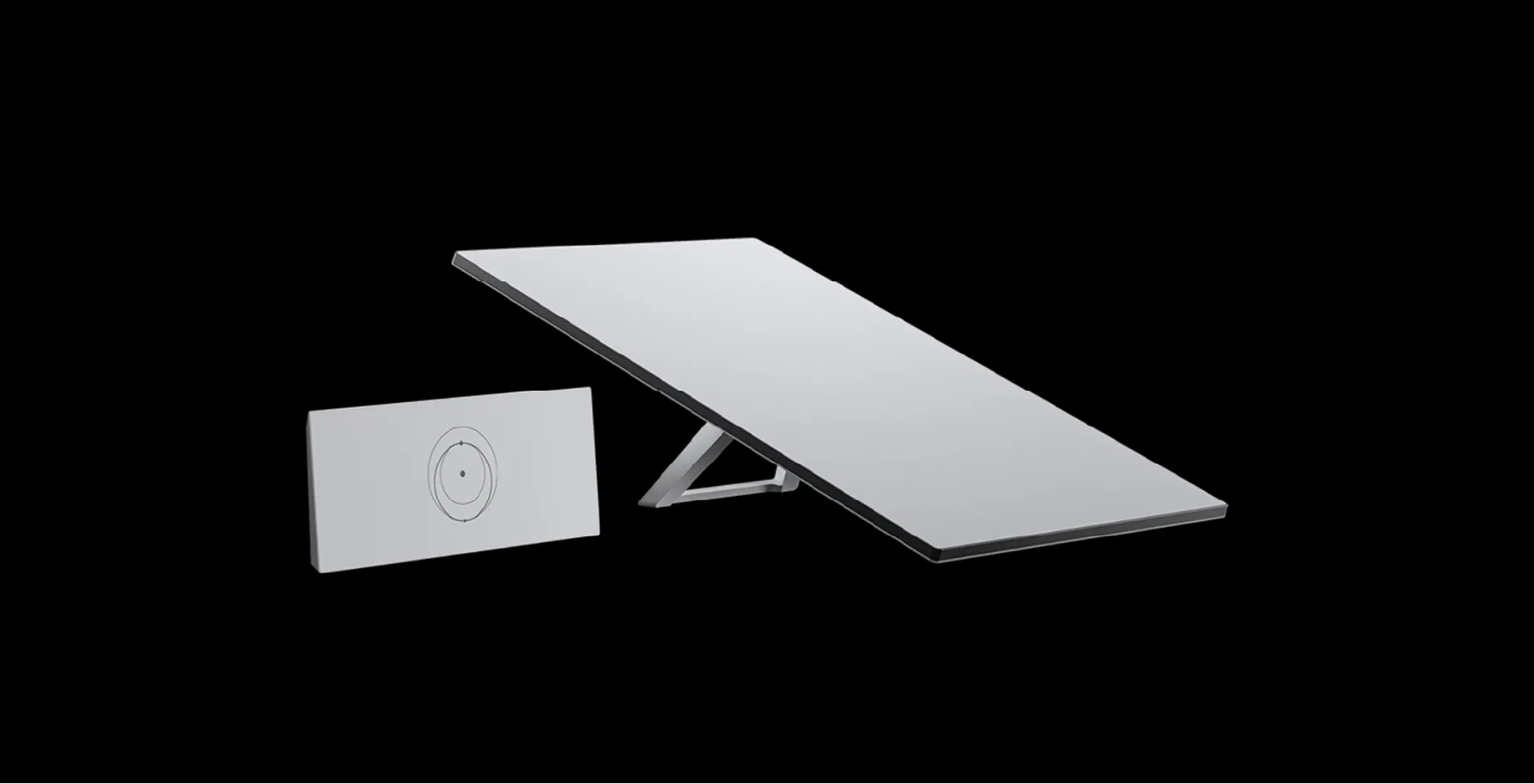
Identify your dish placement location during your venue walkthrough, not on the day of the event. The dish needs a clear, unobstructed view of the sky, away from tents, stages, structures, and tall trees. A five-minute site check in advance saves a stressful discovery on event morning.
The questions below are the ones Fello hears most often from operators who are figuring out whether Starlink is the right call for their next event.
Common Questions From Event Operators
Can Starlink be used indoors?
No. Starlink requires a clear, unobstructed view of the sky to maintain satellite lock. It must be placed outdoors. In multi-building or partially enclosed venues, Starlink can be positioned outside and connected via Ethernet to indoor devices.
How many devices can it support?
The Starlink Standard supports up to 235 connected devices. The Starlink Mini supports up to 128. For events with higher device counts or larger physical footprints, multiple units can be deployed across zones.
What happens if it rains or the weather turns?
Starlink hardware is rated IP67 and built for outdoor conditions. It operates in temperatures from -22°F to 122°F and handles wind speeds above 60 mph. Heavy rain or dense cloud cover may cause brief signal degradation, but the system is designed to maintain connectivity through standard weather conditions.
How is it different from the Cradlepoint router Fello also offers?
Cradlepoint devices bond cellular signals and can operate on battery power, useful in environments with reliable cellular coverage. Starlink is the right call when cellular coverage is unavailable, congested, or unreliable. For most large outdoor events, Fello recommends Starlink as the primary uplink with Cradlepoint as a cellular backup.
Can I customize the network name and password?
Yes. Custom SSIDs and passwords can be configured at Fello's warehouse prior to shipment. Changes after shipment can be made remotely through the Starlink dashboard, provided devices are connected for verification before the event.
How early do I need to reserve a Starlink rental?
Fello enforces a minimum 7-day lead time for all Starlink rentals. For large or multi-unit deployments, earlier is always better. Popular event dates book out, and configuration time increases with complexity.
Take the Next Step
Ready to Build Your Connectivity Plan?
From device configuration to on-site support, Fello handles the technical side so your team can stay focused on the event itself.
Let's build your event connectivity plan.
Fill out the form to view the full whitepaper PDF.
Let's elevate your next event. Talk to an event technology expert at Fello today.
Book your rental now and we’ll handle the logistics so you can focus on your event.

At Fello, we provide seamless technology solutions tailored to your needs, ensuring your events run smoothly and successfully.
Rental Solutions


The ultimate tablet and iPad rental source for events and businesses. Thousands of iPads available and in stock for immediate rental. Whether you need to rent 10, 50, 100, 1,000, 2,000 or 5,000 iPads, we have you covered. Serving all 50 states, including bulk iPad rentals in Atlanta, Austin, Baltimore, Birmingham, Boston, Buffalo, Charlotte, Chicago, Cincinnati, Cleveland, Columbus, Dallas, Denver, Detroit, Fort Lauderdale, Fort Worth, Hartford, Houston, Indianapolis, Jacksonville, Kansas City, Las Vegas, Los Angeles, Louisville, Memphis, Miami, Milwaukee, Minneapolis, Nashville, New Orleans, NYC, Orlando, Philadelphia, Phoenix, Pittsburgh, Portland, Raleigh, Richmond, Sacramento, Salt Lake City, San Antonio, San Diego, San Francisco, San Jose, Seattle, St. Louis, Tampa, Tucson, Tulsa, Washington DC. iPad is a copyrighted and trademarked item belonging to Apple Inc. Fello and Flying Connected, Inc. are not affiliated with Apple Inc.
Copyright © 2011–2026 Fello and Flying Connected, Inc. All rights reserved.